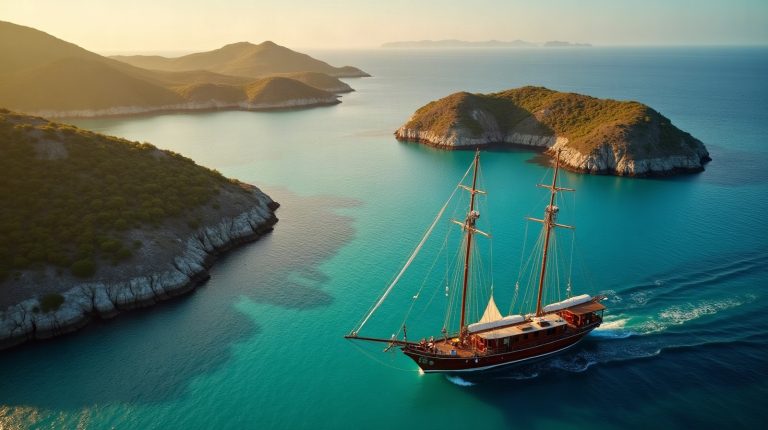
Your 2027 Insider Checklist for a Flawless Labuan Bajo Liveaboard
Planning a Labuan Bajo liveaboard demands precise preparation. This insider checklist ensures you navigate booking, packing, and diving with confidence for 2027. We detail optimal timings, realistic pricing, and essential gear, ensuring your expedition to Komodo National Park is exceptional and trouble-free from start to finish. Read on for a comprehensive guide.
Timing Your Komodo Expedition: Seasons and Savings for 2027
Selecting the right time for your Labuan Bajo liveaboard is paramount, directly influencing visibility, marine encounters, and cost. For 2027, our insights confirm specific windows offering distinct advantages.
High Season: May to September – Stable Conditions, Peak Rates
The period from May to September remains the prime time for Komodo. Expect stable weather, calm surface conditions, and remarkable visibility, frequently reaching 20m to 30m. This window is excellent for photography and offers frequent Manta Ray sightings, particularly along the Central Route. However, this popularity translates to peak rates. Booking 6–9 months in advance is not merely advisable; it is essential to secure your preferred vessel and itinerary. While July and August can bring stronger winds, the resident Manta population remains active, albeit sometimes diving to cooler depths (20°C–24°C).
Shoulder Season: April and October – Value and Clarity
For those seeking a balance of good conditions and better value, April and October present compelling options. Sea conditions typically remain favourable, with visibility often exceeding 20m. This shoulder season can yield 15–25% discounts on liveaboard rates, making it an attractive proposition. Booking 3–4 months ahead is generally sufficient. Photographers prioritising water clarity often find these months ideal, experiencing fewer crowds and excellent light conditions.
Low Season: January to March – Manta Peak, Variable Weather
The low season, from January to March, coincides with the wet season. While visibility can drop to 10–20m and currents can be unpredictable, this period is synonymous with peak Manta Ray encounters, particularly in the Southern region of Komodo National Park during January and February. Water temperatures are warmer (28–30°C). Prices are at their lowest, though trip availability might be limited due to weather. Divers must be prepared for potentially strong currents and frequent ‘negative entries’ during this time.
2027 Note: Despite global trends, the core seasonal patterns for Komodo National Park are projected to hold firm for 2027. Operators are increasingly focusing on sustainable practices, which may influence itinerary flexibility and group sizes. Always confirm specific trip details with your chosen liveaboard provider.
Budgeting Your Liveaboard: A 2026–2027 Price Overview
Understanding the financial commitment for a Labuan Bajo liveaboard is crucial. Prices vary significantly based on vessel class, duration, and seasonality. Here’s a breakdown for a typical 4-day, 3-night trip:
| Tier | Price Per Night | Total Trip (4D3N) | Best Timing | Key Features |
|---|---|---|---|---|
| Budget | USD 150 – 250 | USD 600 – 1,000 | Apr–Jun, Sep–Nov | Shared cabins, basic bathrooms, functional diving |
| Mid-Range | USD 220 – 550 | USD 1,000 – 1,600 | May – Sep | Private cabins, good visibility, frequent Manta sightings |
| Luxury | USD 400 – 600+ | USD 1,500 – 3,500+ | May – Sep | Private suites, gourmet dining, low diver-to-guide ratio |
| Ultra-Luxury | USD 900+ | USD 7,300+ (11N) | Dec (Manta Peak) | Suites like on Dive Damai I, exclusive itineraries |
When comparing options, look beyond the nightly rate. Some operators include park fees, equipment rental, and transfers, while others list these as extras. Always clarify what is covered in the quoted price. For a deeper dive into financial planning, you can explore detailed breakdowns of labuan bajo liveaboard price points.
Pre-Departure Preparations: Your Essential Checklist
A successful liveaboard begins long before you board the vessel. Consider the following:
- Dive Certification & Logbook: Ensure your certification is current and bring your logbook. Some sites in Komodo require advanced certifications due to currents.
- Travel Insurance: Comprehensive travel insurance covering diving incidents and medical evacuation is non-negotiable.
- Flights & Transfers: Book flights to Labuan Bajo (LBJ) well in advance, especially for high season. Confirm transfer arrangements from the airport to your liveaboard’s departure point.
- Cash & Local Currency: While some liveaboards accept card payments for incidentals, having Indonesian Rupiah (IDR) for tips, souvenirs, or small purchases in Labuan Bajo is advisable.
- Medications & First Aid: Pack any personal prescription medications. A basic first-aid kit with seasickness tablets, antiseptic, and pain relievers is always prudent.
Packing for Practicality: What to Bring Onboard
Liveaboard cabins are often compact, so pack efficiently. Focus on practicality over excess.
- Dive Gear: While most liveaboards offer rental equipment, bringing your own mask, fins, dive computer, and wetsuit ensures comfort and familiarity. A 3mm wetsuit is generally sufficient for Komodo’s water temperatures.
- Sun Protection: High-SPF reef-safe sunscreen, a wide-brimmed hat, sunglasses, and a rash guard are indispensable. The equatorial sun is potent.
- Lightweight Clothing: Quick-drying swimwear, shorts, t-shirts, and a light jacket for evenings are all you need. Formal wear is entirely unnecessary.
- Rechargeable Batteries & Power Bank: Ensure you have sufficient power for cameras and devices. Some vessels have limited charging points.
- Reusable Water Bottle: Most liveaboards provide filtered water, reducing plastic waste.
- Book or E-reader: For downtime between dives. Connectivity can be intermittent at sea.
Onboard Etiquette and Safety
Adhering to liveaboard protocols ensures a pleasant experience for everyone.
- Briefings: Attend all dive and safety briefings. They contain critical information about sites, currents, and emergency procedures.
- Marine Conservation: Practice responsible diving. Do not touch marine life or coral. Maintain neutral buoyancy and be mindful of your fin kicks.
- Hydration: Drink plenty of water to prevent dehydration, especially in the tropical climate and after multiple dives.
- Crew Interaction: The crew are there to ensure your safety and enjoyment. A respectful demeanour and polite communication are always appreciated.
FAQ
How far in advance should I book my Labuan Bajo liveaboard for 2027?
For high season travel (May–September), booking 6–9 months in advance is critical due to high demand. For shoulder seasons (April, October), 3–4 months ahead is generally sufficient to secure your preferred vessel and itinerary.
What is the typical water temperature in Komodo National Park?
Water temperatures in Komodo typically range from 20°C–24°C in the high season (May–September), particularly in deeper areas. During the low season (January–March), temperatures can be warmer, reaching 28°C–30°C, especially in the southern regions.
Do I need to be an experienced diver for a Komodo liveaboard?
While some sites cater to beginners, many popular Komodo dive sites feature strong currents, requiring good buoyancy control and experience. An Advanced Open Water certification is often recommended or required for specific itineraries to ensure safety and enjoyment for all divers.